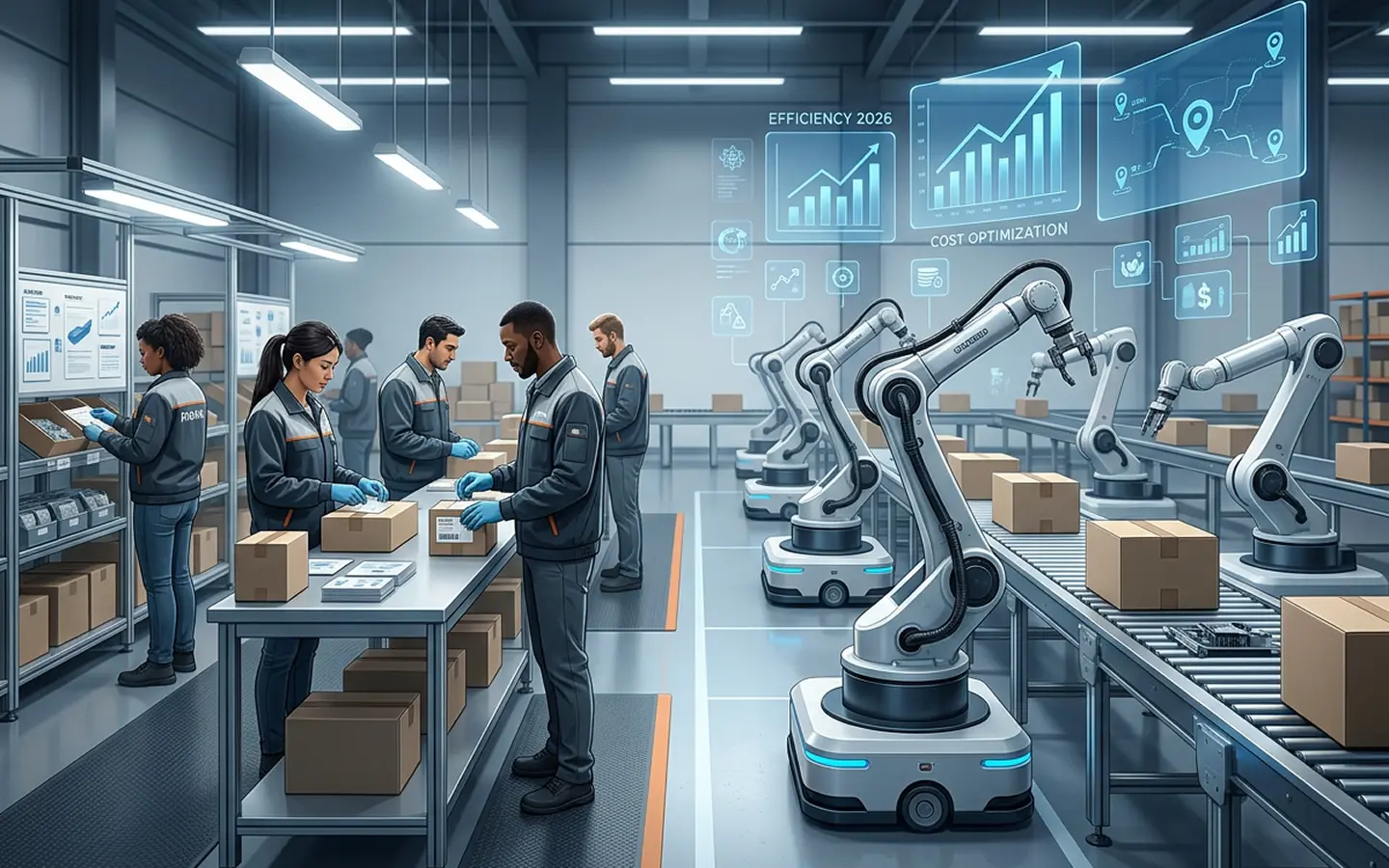
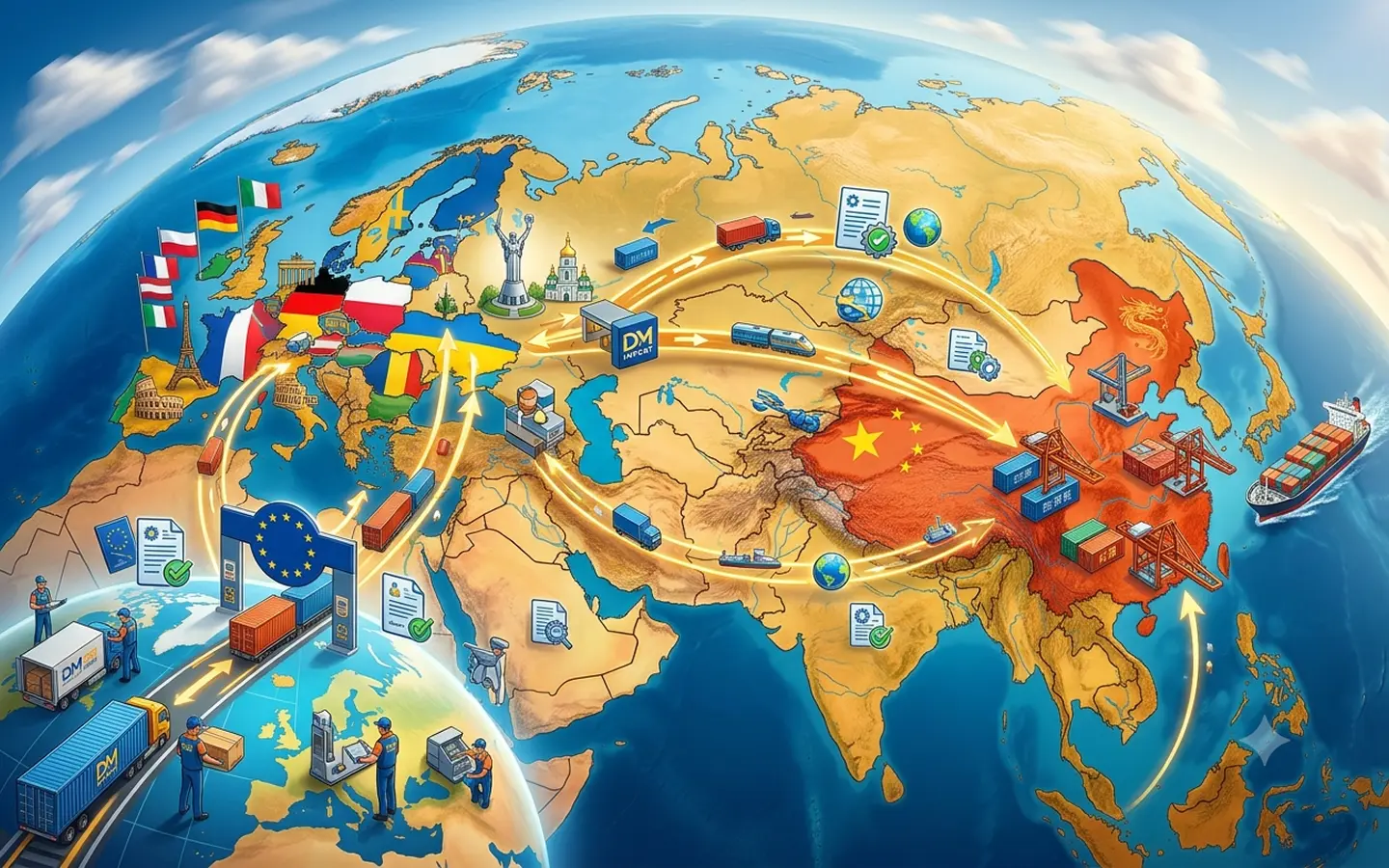
Importing goods today is no longer just about purchasing products abroad. For modern businesses, it is a complex system that includes supplier sourcing, factory inspections, quality control, logistics, customs clearance, certification, and risk management.
That is why more and more companies in 2026 are choosing a turnkey import delegation model, where all operational processes are handled by a professional team.
For entrepreneurs, the main value is no longer participation in every stage of the supply chain, but the ability to receive a final result without spending time on routine tasks, negotiations, paperwork, and logistics control.
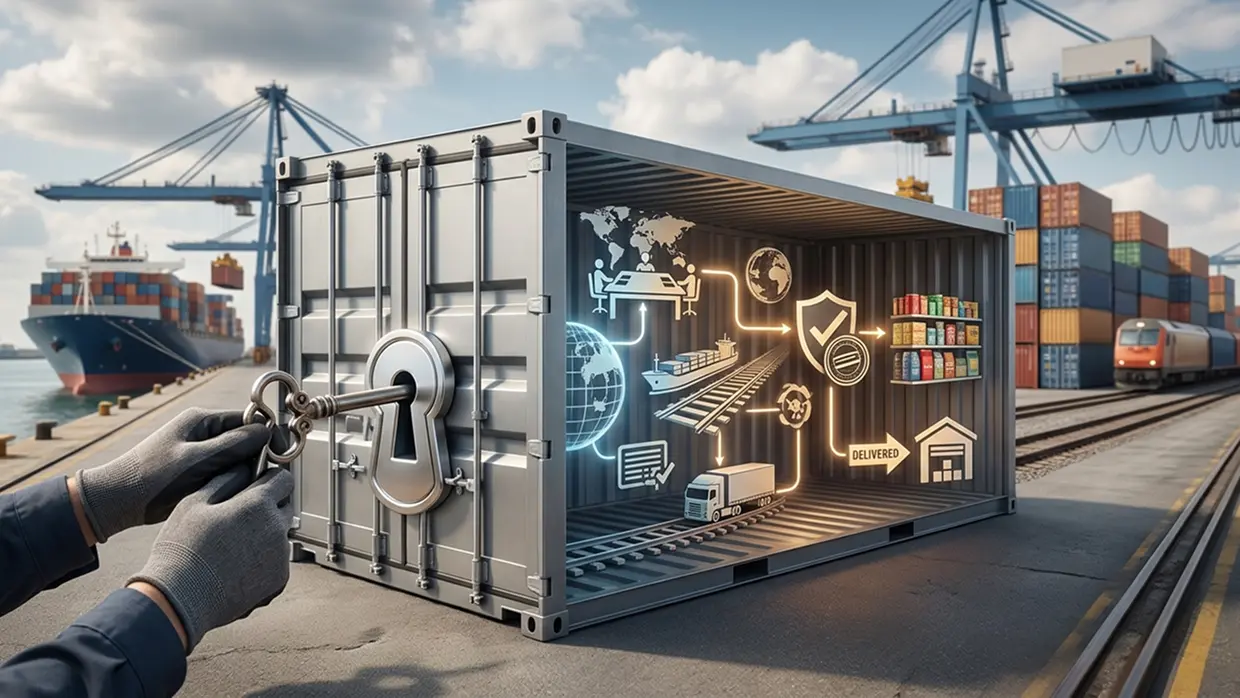
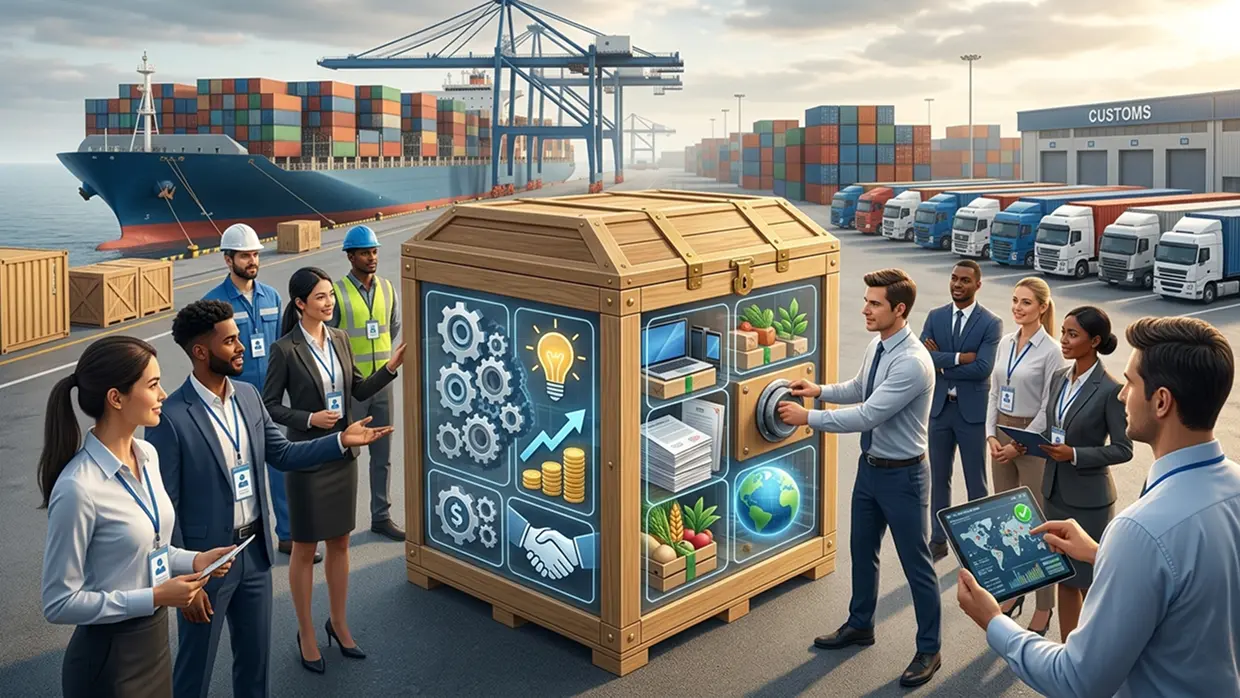
Modern importing operates on the principle of a “transparent black box”: the client sees the overall structure of the process, approves the strategy and budget, after which the team fully takes over the project implementation. The business receives complete transparency without the need to dive into operational activities.
What is importing goods?
Importing is the process of bringing goods from other countries for sale, manufacturing, or use within a business.
The most commonly imported products include:
- Electronics;
- Furniture;
- Industrial equipment;
- Household goods;
- Clothing and footwear;
- Accessories;
- Auto parts;
- Medical equipment;
- Construction materials;
- Manufacturing machinery.
The main advantage of importing is lower product costs directly from manufacturers and higher business profitability.
China continues to play a crucial role in global trade as the world’s largest manufacturing hub, producing a huge share of goods for international markets.
A new import model in 2026: delegation instead of controlling every step
Just a few years ago, entrepreneurs had to independently:
- Search for suppliers;
- Inspect factories;
- Control production;
- Conduct negotiations;
- Organize shipping;
- Handle customs procedures;
- Solve logistics issues.
Today, businesses are increasingly shifting toward a full delegation model for international supply chains.
The “Transparent black box” model
The essence of this model is that the client:
1. Receives a complete action plan and transparent process structure;
2. Approves the cooperation terms;
3. Funds the project;
4. Fully transfers operational responsibilities to a professional team;
5. Receives the final result without constant involvement.
In practice, businesses no longer need to monitor international shipments daily. All complex processes — from supplier verification to warehouse delivery — are handled autonomously.
At the same time, the importing company maintains full transparency: upon request, the client can receive reports, documents, inspection photos, logistics data, and financial details at any stage.
Why businesses choose turnkey importing?
Time saving
International trade requires extensive communication and coordination.
Delegation allows entrepreneurs to focus on:
- Sales;
- Marketing;
- Business scaling;
- Brand development;
- Customer relations.
Instead of constantly solving logistics and customs issues, business owners can focus on company growth.
Risk reduction
Mistakes in importing can be very expensive.
The most common issues include:
- Supplier fraud;
- Poor-quality products;
- Documentation errors;
- Customs delays;
- Budget overruns;
- Certification problems.
Professional support minimizes these risks before the shipment even leaves the factory.
Full transparency without micromanagement
Modern businesses no longer want to control every document or supplier call. At the same time, entrepreneurs still need visibility into what is happening with their cargo.
That is why the “transparent black box” model has become so popular:
- The client sees the overall picture;
- Has access to reports;
- Controls finances;
- Does not waste time on operational tasks.
How turnkey importing works?
1. Business needs analysis
At the beginning, the following are defined:
- Product category;
- Desired budget;
- Purchase volumes;
- Quality requirements;
- Delivery deadlines;
- Required certifications.
The client receives a clear work plan and preliminary cost estimate.
2. Supplier search and verification
The team handles:
- Factory sourcing;
- Negotiations;
- Production audits;
- Document verification;
- Company reputation analysis;
- Product quality assessment.
This helps avoid cooperation with unreliable manufacturers.
3. Production and quality control
Before shipment, the following are conducted:
- Product inspection;
- Package verification;
- Photo and video reports;
- Packaging control;
- Product testing.
The client does not need to personally organize inspections or communicate with factories.
4. Logistics and delivery
The team organizes:
- Sea freight;
- Air shipping;
- Road transportation;
- Rail freight;
- Cargo consolidation;
- Cargo insurance.
The optimal route is selected based on the balance between cost and delivery speed.
5. Customs clearance
Customs and documentation are a separate operational block.
Professional support helps avoid:
- Fines;
- Delays;
- Declaration errors;
- Additional inspections.
The team independently handles:
- Documentation preparation;
- Customs duty calculations;
- Product classification;
- Communication with customs authorities.
6. Delivery of the final result
After all stages are completed, the business receives:
- Finished goods;
- Full documentation package;
- Transparent reporting;
- Final cost calculation.
All operational complexity remains “inside the system,” while the client receives the final result without manually managing the process.
Main advantages of importing through a professional team
Businesses avoid routine work
International logistics involve dozens of simultaneous processes. Delegation eliminates the need to build an internal import department.
Predictable costs
Professional support allows businesses to understand in advance:
- Final product cost;
- Logistics expenses;
- Customs payments;
- Delivery timelines.
Supply chain scaling
When the import process is systemized, businesses can quickly:
- Increase purchase volumes;
- Launch new product categories;
- Enter new markets;
- Create private label brands.
Import trends in 2026
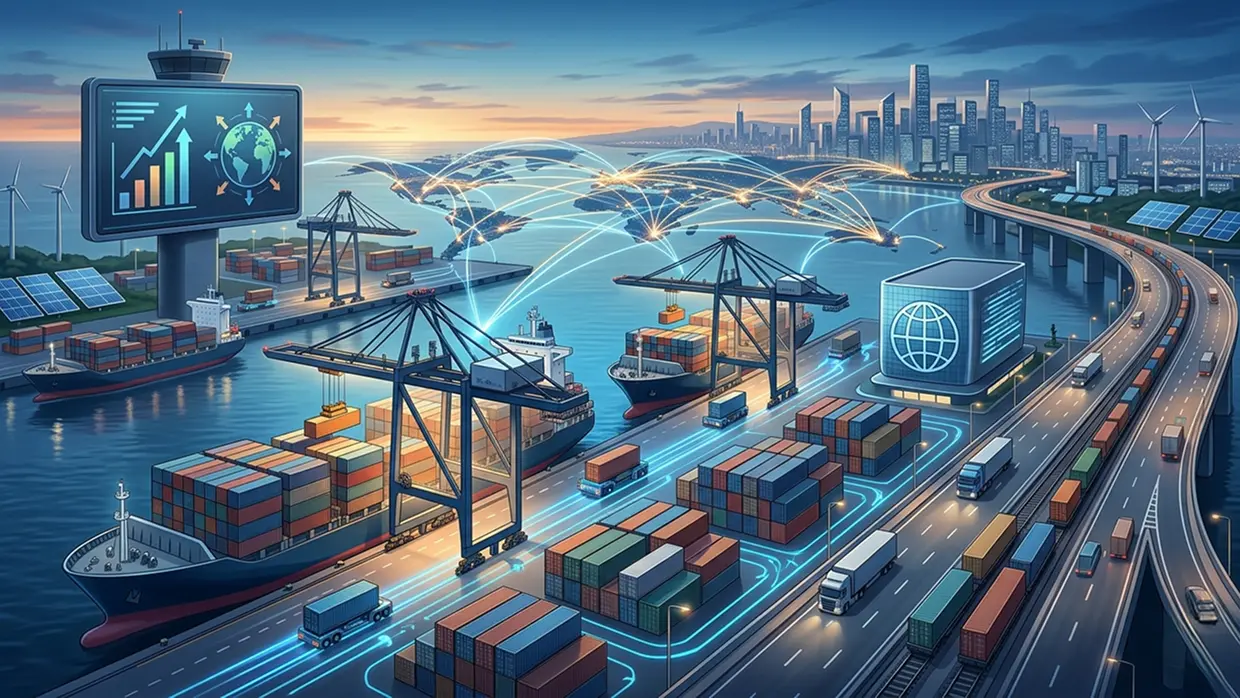
Logistics automation
More and more companies are using:
- AI analytics;
- Automated shipment monitoring;
- Digital logistics systems;
- Robotic warehouses.
Growing demand for “hands-free” importing
Businesses increasingly value:
- Speed;
- Delegation;
- Ready-made solutions;
- Minimal involvement in operational processes.
That is why the “all-inclusive” import model is becoming the new standard in international trade.
Supply diversification
Companies are looking for alternative suppliers not only in China, but also in:
- Turkey;
- Vietnam;
- India;
- European countries.
Why businesses choose DM IMPORT?
Modern importing requires more than simply delivering goods — it requires comprehensive management of all international trade processes. That is why many companies choose DM IMPORT as their partner for turnkey importing solutions.
The team handles:
- Supplier sourcing;
- Factory inspections;
- Production control;
- Product inspections;
- International logistics;
- Customs clearance;
- Certification;
- Documentation support;
- Cost optimization.
Clients receive:
- A transparent working model;
- Full operational support;
- Minimal involvement in processes;
- Result-oriented management without operational routine.
The main goal of DM IMPORT is to make international importing as simple, transparent, and secure as possible for businesses.
Conclusion:
Importing goods in 2026 is no longer just about buying products abroad. It is a comprehensive system of international logistics, risk management, quality control, and customs support.
That is why more and more companies are moving toward a full delegation model, where professional teams handle all complex processes.
The “transparent black box” model allows businesses to:
- Control results;
- Maintain full transparency;
- Avoid operational routine;
- Scale international supply chains efficiently.
Ready to delegate your importing operations to professionals and focus on growing your business?
Contact DM IMPORT for turnkey international supply chain solutions. The team will handle supplier sourcing, factory inspections, logistics, customs clearance, and full import support from China and other countries — transparently, systematically, and without unnecessary operational involvement on your side.
Phone / WhatsApp: +38 098 773 13 13
Email: dmimportua@gmail.com
Instagram: DM-Import
Telegram: @dmimportua